
Close


Casino games have long fascinated people, drawing them into a world filled with excitement and anticipation. One of the core psychological appeals of these games is the thrill of chance and the opportunity for instant gratification. Players often experience a rush of adrenaline when they place bets, as the outcome is uncertain and unpredictable. For those looking to enhance their gaming experience, the best betting sites australia offer various options that cater to different preferences. This uncertainty creates a captivating atmosphere, keeping players engaged and eager to test their luck. The brain responds to this excitement by releasing dopamine, a neurotransmitter associated with pleasure, reinforcing the desire to play more.
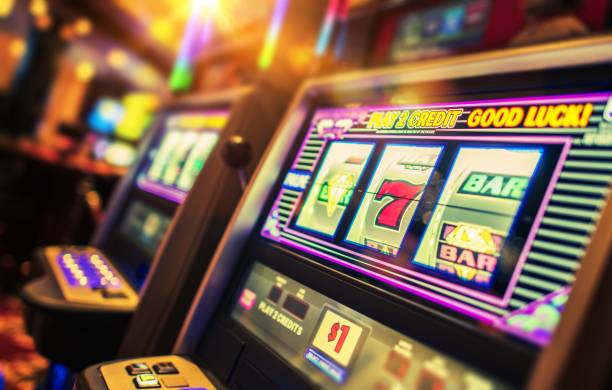
Moreover, the ambiance of a casino contributes significantly to its allure. Bright lights, engaging sounds, and vibrant displays create an immersive environment that heightens the sensory experience. This setting encourages players to lose track of time and often their inhibitions, resulting in decisions made in a more emotionally driven state. As individuals respond to these stimulating cues, they may neglect rational thought processes, leading to impulsive betting behaviors that can escalate quickly.
Additionally, social factors play a critical role in the appeal of casino games. The presence of other players and the potential for social interaction can enhance the enjoyment of playing. This communal atmosphere fosters a sense of belonging, encouraging individuals to remain engaged longer. Players often share stories of their gambling experiences, which can further entice others to join in and create a cycle of attraction to the gaming experience.
Cognitive biases significantly influence gambling behavior, often leading players to make irrational decisions. For instance, the gambler’s fallacy—a belief that past events can influence future outcomes—can cause individuals to make poor betting choices. This bias may lead someone to think that after a series of losses, a win is „due,“ prompting them to place larger bets in hopes of recouping previous losses. Such thinking can trap players in a cycle of chasing losses, ultimately impacting their financial well-being and decision-making abilities.
Another common cognitive bias in gambling is the illusion of control. Players often believe they can influence or predict outcomes in games of chance, such as slot machines or roulette. This feeling can stem from previous wins or the deceptive nature of certain game mechanics that give the appearance of control. As a result, players may take risks they wouldn’t normally consider, as they feel more capable of steering the game’s direction, which can lead to significant losses over time.
Understanding these cognitive biases is crucial for both players and operators. By recognizing the psychological traps that can lead to compulsive behavior, individuals may be able to reflect on their gaming habits more critically. Casinos also have a responsibility to promote responsible gambling by providing resources and education on these biases, helping players make informed decisions while enjoying their time in the casino environment.
The emotional state of a player is a powerful influencer on gambling decisions. When individuals are in a positive emotional state, they tend to take more risks, driven by the joy of the moment. Conversely, negative emotions, such as stress or sadness, can either lead to reckless behavior in an attempt to escape those feelings or to cautious behavior due to a lack of confidence. This fluctuation in emotions can significantly affect the way people engage with casino games, shaping the decisions they make at any given moment.
The concept of loss aversion also plays a vital role in this dynamic. Research shows that people are more motivated to avoid losses than to achieve equivalent gains. In a casino context, this could be reflected in a player’s reluctance to walk away after a loss, as they are driven by the need to recover their previous stakes. This emotional struggle can lead to prolonged gambling sessions, where players find themselves increasingly invested in the outcome, exacerbating their emotional highs and lows and potentially leading to destructive patterns.
Furthermore, casinos enhance this emotional rollercoaster by incorporating various strategies to keep players engaged. Promotional offers, bonuses, and free spins generate excitement and a sense of urgency, compelling players to continue participating. The blending of emotions with strategic game design creates an environment where decisions are often made impulsively, reinforcing the psychological hold that casinos can have on individuals.
The physical environment of a casino can greatly influence how players experience the games and make decisions. Layouts are meticulously crafted to encourage exploration and prolonged play, often with minimal distractions or exits. This design can lead to players becoming disoriented regarding time and money spent, heightening the potential for impulsive gambling. By strategically placing high-stakes games near lower-stakes options, casinos can attract players to gamble beyond their intended limits.

Additionally, sound and visual stimuli play a critical role in shaping players’ experiences. The sounds of coins clinking, bells ringing, and cheers from other players create an atmosphere of excitement and success. This auditory feedback can reinforce positive feelings associated with winning, making it difficult for players to leave. Similarly, colorful, eye-catching displays draw individuals to participate, creating a sense of urgency and desire to engage with the games available.
Understanding the psychological impact of the environment allows casino operators to create compelling experiences while considering responsible gambling practices. Educating players about the effects of their surroundings can empower them to make more conscious decisions regarding their gambling habits. By fostering awareness of how the environment shapes choices, players can better navigate the thrilling yet potentially perilous world of casino gaming.
To balance the alluring world of casinos with the potential risks associated with gambling, creating a responsible gambling culture is essential. This involves integrating educational programs that inform players about the psychological aspects of gaming and the potential outcomes of their decisions. Casinos can offer resources that help individuals recognize cognitive biases, emotional states, and environmental influences, fostering a more informed approach to gambling.
Additionally, promoting self-exclusion programs can empower players to take control of their gambling behavior. These programs allow individuals to voluntarily restrict their access to gaming facilities, helping them step back and reflect on their habits. By providing tools and support for responsible gambling, casinos can play a significant role in safeguarding the well-being of their patrons while still offering enjoyable experiences.
Furthermore, it is crucial for the gambling industry to engage with stakeholders—including mental health professionals, researchers, and regulatory bodies—to continuously improve responsible gambling initiatives. By collaborating on research and best practices, the casino industry can evolve its approach to player safety and well-being, fostering a more sustainable gaming environment that prioritizes responsible participation over profit.
